
A CAREER BUILT ON LEADERSHIP AND ADVOCACY
With over 25 years of experience in executive leadership, consulting, and civil society advocacy, Wraychel has become a recognized leader in social justice. She completed her Ph.D. in social justice advocacy in just three and a half years while balancing full-time work, establishing herself as both a scholar and a social justice renegade. Her professional identity has been shaped by a drive to challenge systemic inequality and amplify marginalized voices.
A PROVEN TRACK RECORD OF INTERNATIONAL IMPACT
Wraychel’s career spans continents, having collaborations in Africa, and direct work experience in Europe and the Caribbean to lead policy reforms and advocate for children and youth. She played a pivotal role in establishing Canada’s first paid cooperative education program for Indigenous youth and in creating a legislated child and youth advocate office. These initiatives, along with her work addressing issues like systemic racism, sexual and physical assault, and mental health access, have impacted the lives of thousands of young people across Canada.
These leadership roles reinforced Wraychel’s commitment to humility, curiosity, and humanity—values that continue to guide her work.
CURRENT LEADERSHIP AND GLOBAL INFLUENCE
Now a Director for Defence For Children International, Wraychel serves as the Canadian Observer for the European Region, and she is also a member of the SSHRC-funded International & Canadian Child Rights Partnership. These roles keep her at the forefront of global conversations on children’s rights, social justice, and policy reform.
Wraychel’s research on youth political consultation has involved prominent figures such as Canada’s Ambassador to the UN, Bob Rae, and continues to shape national and international discussions on how youth can engage in the political process.
A FIERCE COMMITMENT TO RECONCILIATION
Central to Wraychel’s work is her unwavering commitment to Reconciliation with Indigenous communities. She advocates for the repeal of Section 43 of the Criminal Code of Canada, which allows corporal punishment of children, and she advocates loudly for multi-yeyar funding for Indigenous youth service providers. These efforts are vital to ensuring lasting systemic change and support for Indigenous communities.
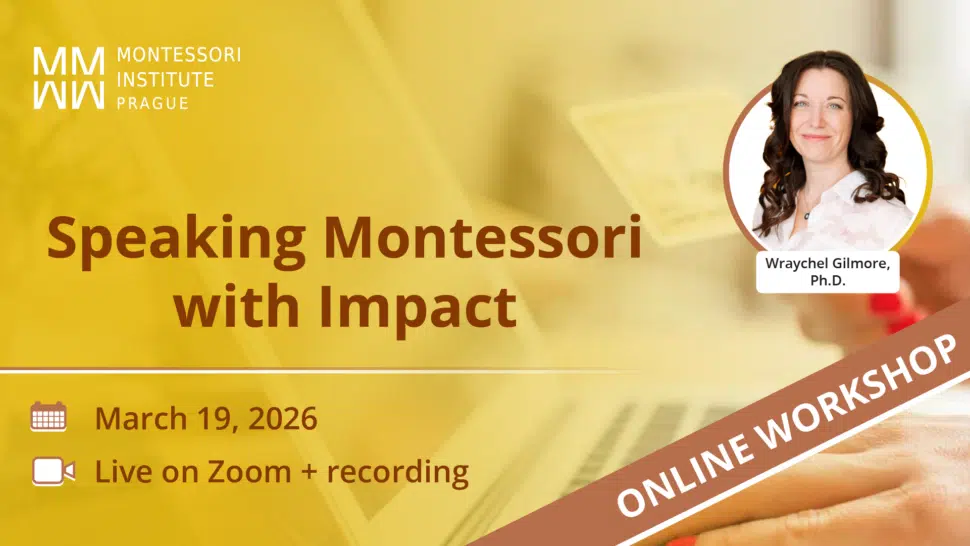
Where can you meet with Wraychel?
More about her services: