RECORDING
Global Montessori Inclusion Convergence
Stronger Together: Bringing Inclusive Montessori into the Future
Inclusive Montessori is not an add-on.
It is our responsibility.
Across classrooms, clinics, and communities, we are being called to respond to children more fully at medical, therapeutic, social, and systemic levels.
This live convergence brings together leaders working in Montessori inclusion across continents and disciplines to explore one central question:
What does authentic Montessori inclusion require at systemic, classroom, therapeutic, and medical levels?
This session represents a guided conversation of experts grounded in real practice.
Meet your speakers:
Marivic Bathan
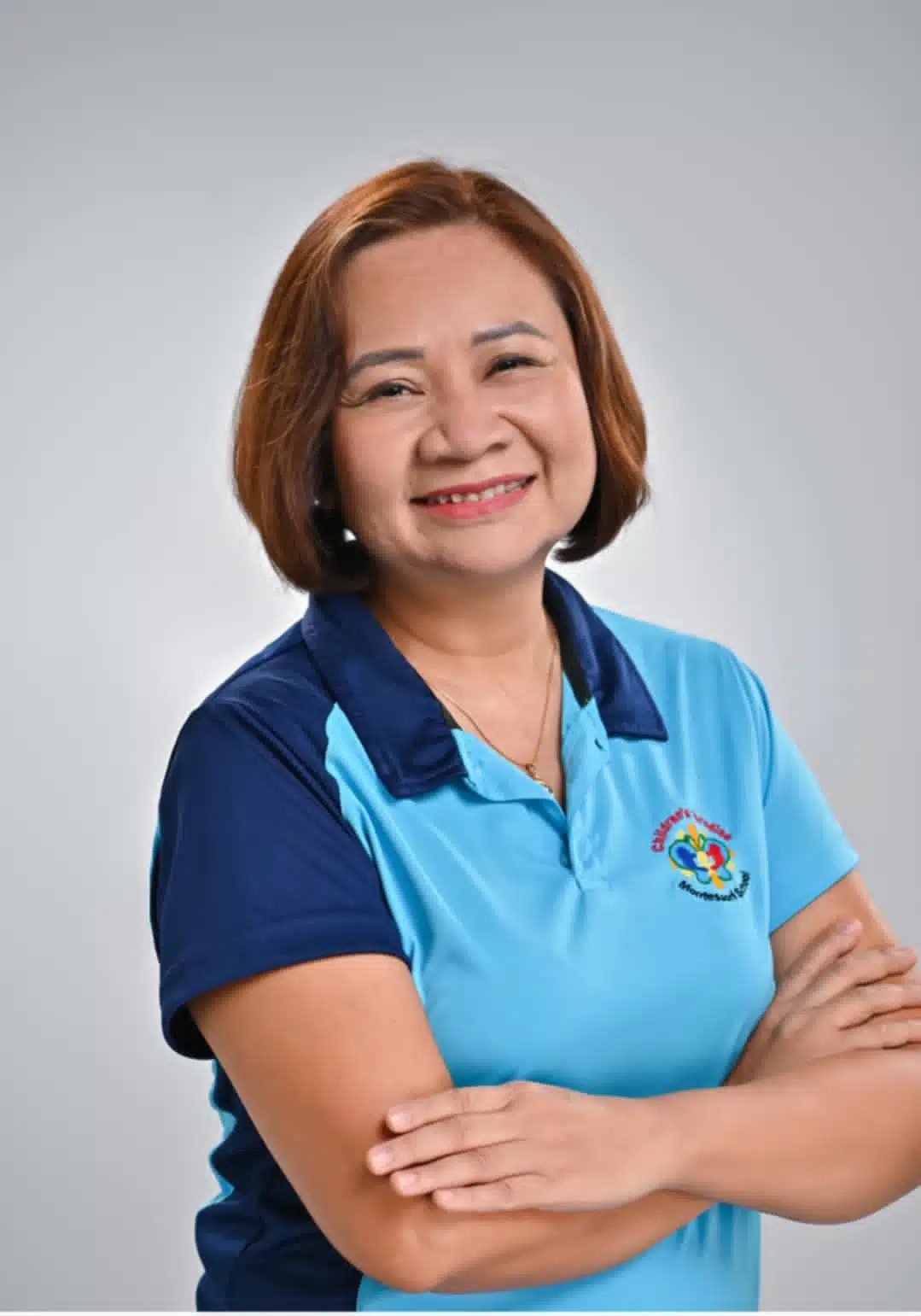
Founder of Children’s Paradise, Philippines. Advocate for inclusive Montessori environments integrating diverse learners within authentic practice.
Catherine Massie
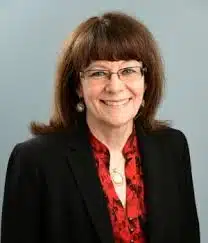
Co-founder of Montessori Medical Partnership for Inclusion, bridging educational and medical perspectives.
Barbara Luborsky
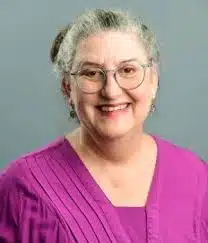
Co-founder of Montessori Medical Partnership for Inclusion, bridging educational and medical perspectives.
prof. Joachim Dattke & Tatiana Dattke
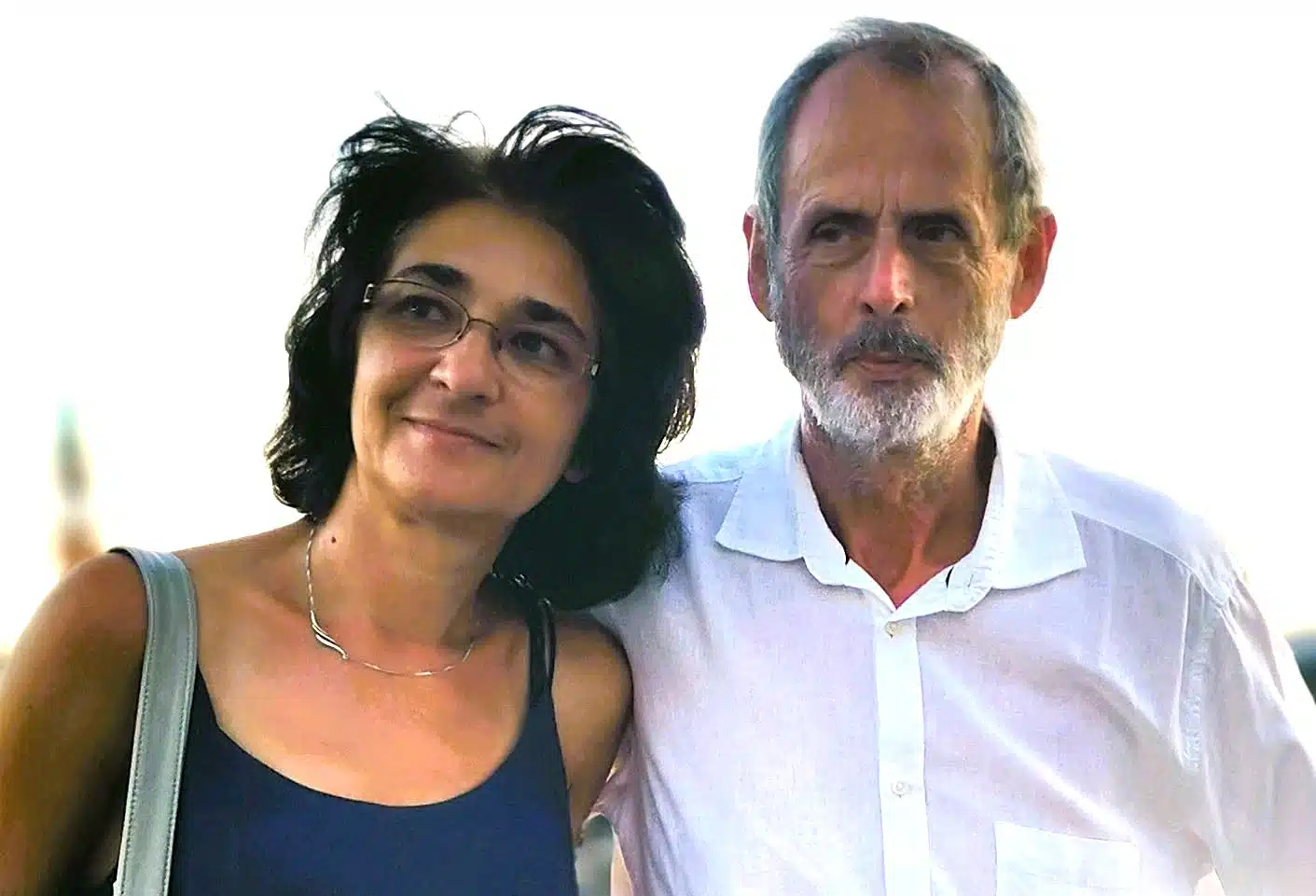
Inclusion instructors for the Foundations of Montessori Inclusion Courses, focused on practical adaptation and support in a Montessori school.
Susanne Messmer
Inclusion instructor for the Foundations of Montessori Inclusion Courses, focused on practical adaptation and support in a Montessori school.
Maria Kozelkova, PhD
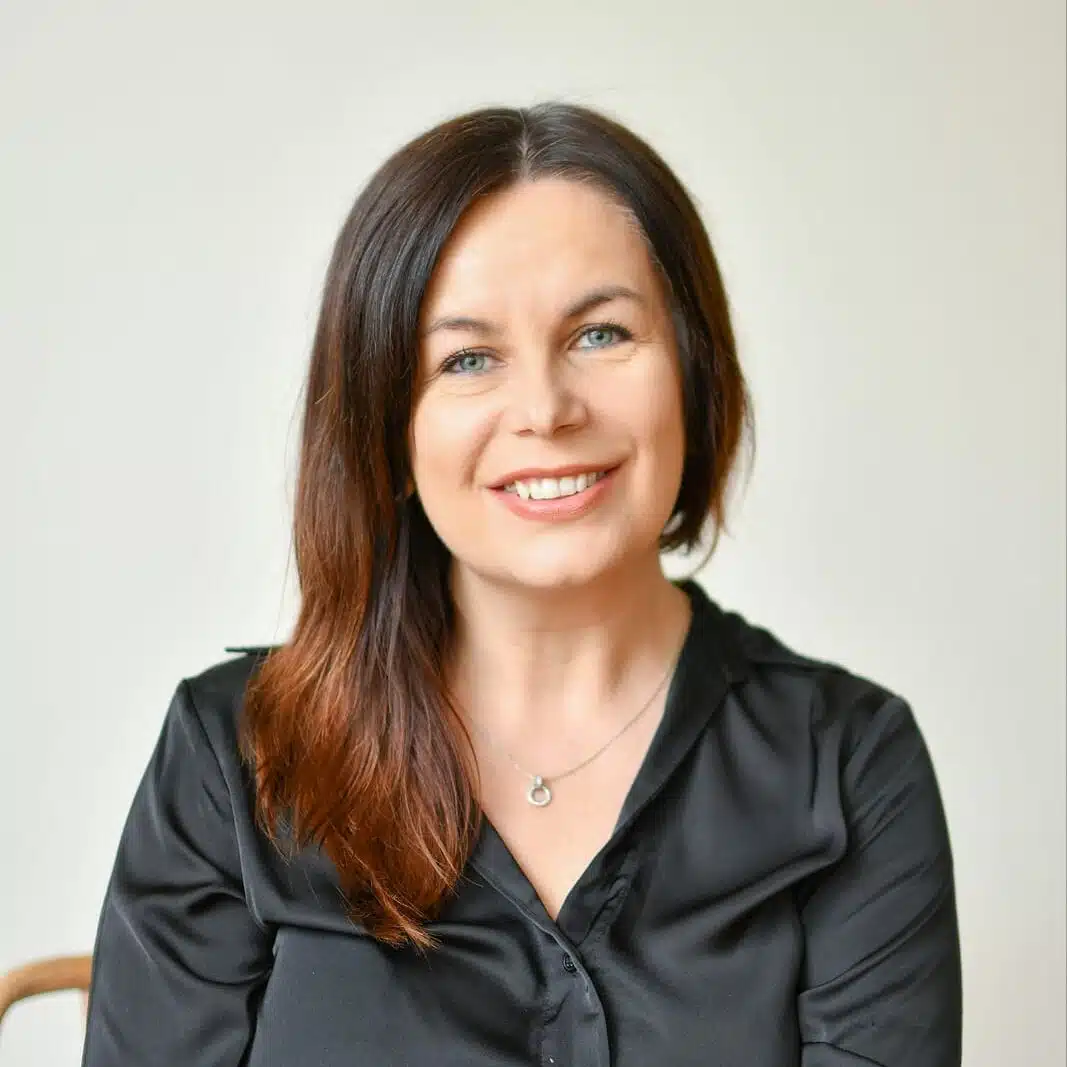
Clinical Psychologist and Montessorian specializing in Montessori Therapy in clinical settings.
Melanie Hubl
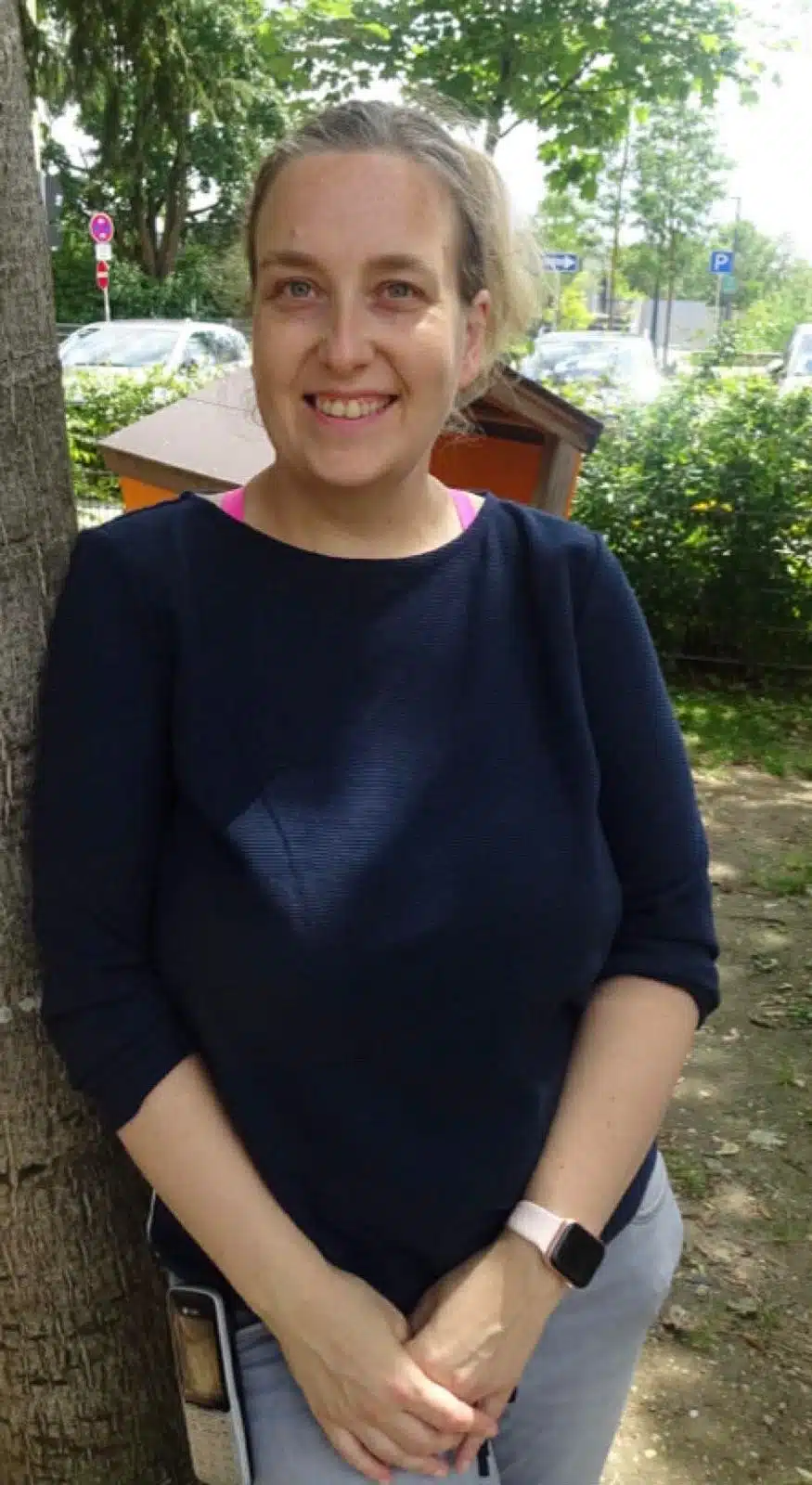
Recent Montessori Therapy Graduate, supporting the advancement of Montessori Therapy training and practice.
What you will explore:
-
A global perspective on Montessori inclusion in practice
-
Systemic conditions needed to support inclusive environments
-
The role of medical and therapeutic partnerships
-
Foundations for inclusive Montessori training
-
Clinical and therapeutic applications of Montessori principles
- How to move from inspiration to structured implementation
Who it is suitable for:
-
Montessori guides and assistants
-
School leaders and administrators
-
Therapists and clinicians
-
Medical professionals interested in Montessori collaboration
-
Parents seeking deeper understanding of inclusion
-
Anyone committed to bringing Montessori inclusion into the future
Registration
RECORDING
€17
Give yourself time and flexibility
✔ Full recording access for 30 days
✔ Available to watch immediately
FAQ
How long is the webinar recording?
Will I receive a certificate for completing the webinar?
What does inclusion mean in Montessori education?
What challenges can Montessori schools face when creating inclusive classrooms?
How can educators develop their skills in Montessori inclusion?
DO YOU HAVE A QUESTION?
Feel free to contact us!